Employees are the most valuable asset of any company or organization.Protecting them is not only…

Which 4Gas Detector Is Suitable for Confined Spaces?
How to Choose the Right 4gas Gas Detector
The most important question is:
What gases can workers be exposed to?
Gas detectors must be selected based on the specific hazards in the workplace, not just by brand or model.
Different gases require different sensor technologies and detection methods.
Why gas type is the most important factor
Each gas behaves differently:
- Toxic gases (CO, H₂S) → require electrochemical sensors
- Flammable gases (methane, propane) → require catalytic or infrared sensors
- VOCs (organic vapors) → require PID detectors
- Oxygen (O₂) → requires a dedicated oxygen sensor
Because of this:
There is no single detector for all situations
Advantages and limitations of gas detectors
Advantages
- Protect workers from toxic and explosive gases
- Provide real-time measurements
- Trigger alarms (visual, sound, vibration)
- Available as:
- Portable detectors (personal safety)
- Fixed systems (continuous monitoring)
Limitations
- Each detector measures only specific gases
- Sensors may be affected by:
- Humidity
- Temperature
- Contamination
- Require:
- Regular calibration
- Maintenance
- Some detectors (like PID):
- Do not identify exact gas
- Only show total concentration (e.g., VOCs)
Types of gas detectors (general)
1. Portable detectors
- Worn by workers
- Used for personal protection
- Easy to use and flexible
- Limited battery life
2. Fixed detectors
- Installed permanently
- Provide continuous monitoring
- Connected to alarm systems
- Higher installation cost
3. Pump (active) vs diffusion (passive)
- Diffusion detectors
- Simple
- Gas reaches sensor naturally
- Pump detectors
- Draw air into the device
- Better for confined spaces and remote sampling
Summary
Choosing the right gas detector depends mainly on:
- Type of gas hazard (most important)
- Work environment (confined space, indoor, outdoor)
- Required response time
- Need for portability or fixed system

Advantages of a 4-Gas Detector (for Confined Spaces)
- Suitable for confined spaces, measuring:
- Oxygen (O₂)
- Carbon monoxide (CO)
- Hydrogen sulfide (H₂S)
- Flammable gases (LEL)
- 24-month full warranty
- Lightweight and easy to carry for workers
- Fast service support, including calibration and repairs (within 24 hours)
- Spare parts availability for maintenance and repairs
- Durable sensors with long operational life
- Clear and easy-to-read display
Limitations of the 4-Gas Detector
- No built-in pump
→ Not suitable for remote sampling or pre-entry testing in confined spaces without accessories - Less well-known brand in the market
→ However, the detector is already used in:- Government organizations
- Chemical plants
- Industrial contractors
- No built-in pump
- Suitable for confined spaces, measuring:

Advanced Gas Detector for Confined Spaces
This type of detector is different from standard 4-gas detectors and is often preferred for confined space use.
Key features
- Built-in internal pump
→ Allows active sampling of air - Modular design
→ Sensors can be selected based on the specific application - Can measure up to 5 gases simultaneously
- Compact size
→ Easy to carry and wear by the worker - Large, clear display
→ Easy to read in real time
Advantage of the built-in pump
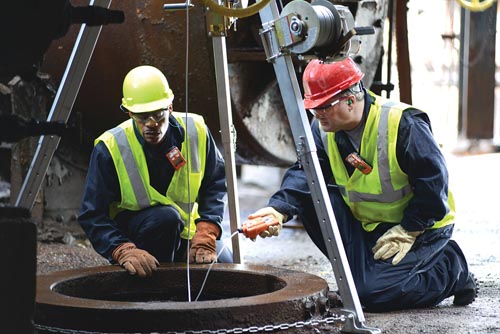
- No need to lower the detector into a pit or sewer using a rope
- The detector stays in the worker’s hand
- The worker can see real-time readings while sampling
Extended gas detection capability
In many cases, measuring only the standard 4 gases is not enough:
- O₂ (oxygen)
- CO (carbon monoxide)
- H₂S (hydrogen sulfide)
- LEL (flammable gases)
This detector can also measure:
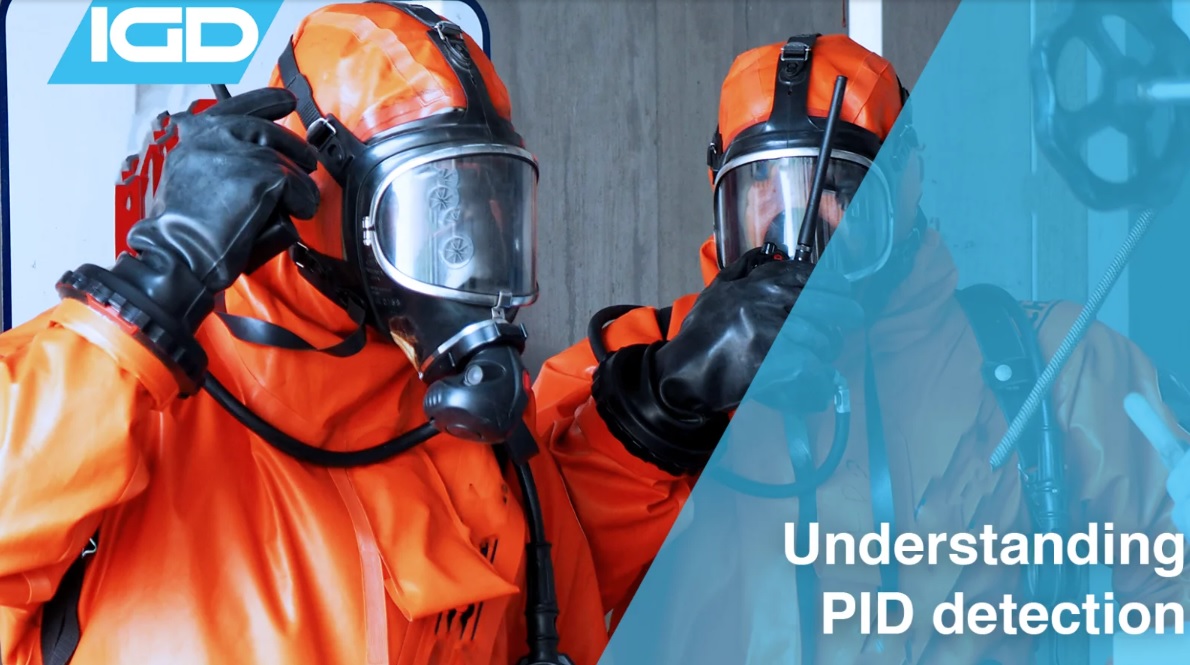
- VOCs (volatile organic compounds)
It can detect approximately:
- Up to 200 types of VOCs
Flexible sensor configuration
- Supports selection of 5 sensors at the same time
- Sensors can be chosen from a list of about 30 different types
- Sensors are replaceable in the field
Summary
This type of detector is suitable when:
- Active sampling is required
- Multiple gases (including VOCs) must be measured
- Flexibility and customization are important
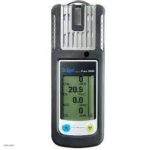
Dräger Gas Detector – Advantages and Limitations
Limitations
- Ergonomics: narrow and long design
→ May interfere with the worker during use - No built-in pump
→ Not suitable for remote sampling without accessories - Relatively heavy
→ Less comfortable for long periods of use - Operation is more complex
→ Requires training and familiarization - Calibration required every 6 months
- Spare parts availability must be confirmed
→ Sensors and parts may not always be immediately available locally
→ Repairs may take weeks if parts are not in stock - No immediate local service (24-hour turnaround not available)
- Higher price range
Advantages
- Suitable for confined space use
(when configured with the correct sensors: O₂, CO, H₂S, LEL) - Well-known and established brand
- Clear and easy-to-read display
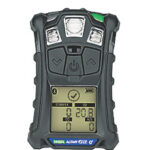
MSA Altrair Gas Detector – Advantages and Limitations
Limitations
- Relatively heavy
→ Less comfortable for long use - No built-in pump
→ Not suitable for remote sampling without accessories - More complex operation
→ Requires training and learning - Calibration required every 6 months
- Spare parts availability must be confirmed
→ Sensors may not be available locally
→ Repairs may take weeks - No fast local service (no 24-hour repair/calibration support)
- High price
→ Around 3,500 ILS
Advantages
- Suitable for confined space use
(when configured with the correct sensors: O₂, CO, H₂S, LEL) - Well-known and established brand
- Clear and easy-to-read display
What Is a Confined Space?
A confined space is a place that:
- Has limited access for entry and exit
- Is not designed for continuous occupancy
Additional characteristics
A confined space may:
- Contain a potentially hazardous atmosphere
(toxic or explosive gases) - Include materials that can:
- Engulf
- Trap
- Block entry or exit
- Have restricted or difficult access
- Present other safety risks
Important note
Confined spaces are common in many industries.
They may look different, but they all share one risk:
They can contain invisible gases that may harm people before they realize the danger.
Examples of confined spaces
- Storage tanks
- Silos
- Boilers
- Sewers and manholes
- Tunnels
- Underground storage areas
- Pipelines
- Machine rooms
Summary
- Confined spaces are high-risk environments
- Gas detection is critical before and during entry
- Proper equipment and procedures are required to ensure safety

Hazards in Confined Spaces
It is very important to understand the risks before entering a confined space.
This will determine:
Which type of gas detector is needed
Common gases to measure
The most common hazards include:
- Oxygen deficiency (low O₂)
- Oxygen enrichment (high O₂)
- Flammable and explosive gases (LEL)
- Toxic gases
- Volatile organic compounds (VOCs)
How to stay safe in a confined space
To improve worker safety:
- Use a multi-gas detector
- Measure all relevant hazards before and during entry
Typical devices:
- Standard 4-gas detectors
- Advanced detectors with pump and VOC capability
Important safety facts
- About 60% of deaths in confined spaces are rescuers
- About 85% of deaths involve people without proper training
Safety requirement
- Entry into a confined space should be done only with approval
- Authorization must come from a qualified safety manager
Summary
- Confined spaces can contain invisible and dangerous gases
- Proper gas detection is essential
- Training and procedures are critical to prevent accidents

Confined Space Entry – Safety Plan and Equipment
1. Prepare a safety plan
Before entering a confined space, a clear safety plan must be created.
The plan should include:
- Understanding all safety rules
- Defining the minimum required equipment
- Ensuring safe entry and exit
2. Train the workers
After preparing the plan:
- Provide training and instructions to workers
- Explain:
- How to prepare for entry
- What equipment to use
- Which gas detector is required
Gas detector training
Workers must know:
- How to use the detector correctly
- What the display shows
- What each value means
- Which levels are dangerous
They must also understand:
- What to do when the detector alarms
(sound, vibration, flashing lights)
Important:
- The detector must be attached to the worker at all times
- It should not be left aside
Calibration
- The detector must be calibrated and within valid date
- Example:
- Some detectors require calibration every 6 months
- Others may require once per year
3. Required equipment for confined space
Escape breathing device (15 minutes)
- Includes:
- Oxygen cylinder (~3 liters)
- Full face mask
Features:
- Easy to use (no prior training required)
- Activated automatically when opened
- Provides about 15 minutes of breathing air
- Oxygen level can be seen through a transparent window
Standards:
- EN 1146
- ISO 23269-1
- EU Regulation 2016/425
Emergency use – how it works
- Pull the yellow loop to open the bag and activate airflow
- Remove the mask immediately
⚠️ Air supply starts immediately (not when worn) - Place the mask over nose and mouth and breathe normally
- Exit the area immediately via the safest route
Tripod and winch system
Used for:
- Lowering and lifting workers
- Rescue operations
Suitable for:
- Manholes
- Pits
- Sewers
Features:
- Portable and easy to carry
- Aluminum, corrosion-resistant
- Cable length: ~20 meters
- Max load: ~500 kg
- Adjustable height: 130–230 cm
4. Bump Test (Function Test)
Before every use, a Bump Test must be performed.
What is a Bump Test?
- A quick test to check that:
- Sensors respond correctly
- Alarms (sound, light, vibration) work properly
- It simulates real gas exposure:
- Toxic gases
- Flammable gases
- Oxygen levels
How to perform the test
Option 1:
- Connect calibration gas and regulator
- Select BUMP TEST on the device
- The detector should alarm within seconds
Option 2:
- Place the detector in a test station
- Press a button to run the test automatically
Duration
- Takes only a few seconds
Who performs the test?
- The user must perform the test before each use
Results
- If result = PASS → detector is ready
- If result = FAIL → do NOT use the detector
→ Send it for repair/service
Summary
Safe confined space entry requires:
- A clear safety plan
- Worker training
- Proper equipment
- Gas detection with valid calibration
- Bump test before every use
Calibration of Gas Detectors – QGM
Equipment required for calibration
To perform calibration, the following equipment is needed:
- Calibration gas mixture (4 gases):
- CO (carbon monoxide)
- H₂S (hydrogen sulfide)
- CH₄ (methane)
- O₂ (oxygen)
- Pressure regulator with gauge and valve
- Adapter and flexible tubing to connect the gas to the detector
Who should perform calibration?
- Calibration should be done by a certified laboratory
- This ensures you receive an official calibration certificate
Important:
- Make sure the company you purchase from can:
- Perform calibration
- Provide certified service
When should calibration be done?
Calibration frequency depends on the detector model:
- QGM and POLI detectors:
→ Calibration required once per year - Dräger and MSA detectors:
→ Calibration required every 6 months
Summary
- Calibration is essential for accuracy and safety
- Must be done using proper equipment and certified procedures
- Regular calibration ensures reliable gas detection
What Does a 4-Gas Detector Display Show?
A typical 4-gas detector display is divided into four sections,
each showing a different gas measurement.
Display layout
- Top right: Oxygen (O₂)
- Top left: Flammable gases (LEL)
- Bottom right: Hydrogen sulfide (H₂S)
- Bottom left: Carbon monoxide (CO)
Each section shows the real-time concentration of that gas.
Measurement ranges
Typical measurement ranges are:
- Flammable gases (LEL): 0–100% LEL
- Oxygen (O₂): 0–30%
- Hydrogen sulfide (H₂S): 0–100 ppm
- Carbon monoxide (CO): 0–500 ppm
What happens during an alarm?
When gas levels exceed limits, the detector will:
- Activate flashing lights
- Produce a loud audible alarm
- Vibrate
On the screen, you can see:
- Which gas triggered the alarm
- The exact measured value
Recommended alarm levels
Typical recommended alarm setpoints:
- Flammable gases: 10% LEL
- Oxygen (low): 19.5%
- Hydrogen sulfide (H₂S): 25 ppm
- Carbon monoxide (CO): 50 ppm
Additional important alarm types
TWA (Time Weighted Average)
- Average exposure over 8 hours
- Used for toxic gases like CO and H₂S
STEL (Short-Term Exposure Limit)
- Average exposure over 15 minutes
- Indicates short-term high exposure risk
Summary
A 4-gas detector provides:
- Real-time gas readings
- Clear identification of each gas
- Multiple alarm types (instant, TWA, STEL)
Understanding the display helps workers:
- React quickly
- Stay safe
- Avoid dangerous exposure
Related Posts