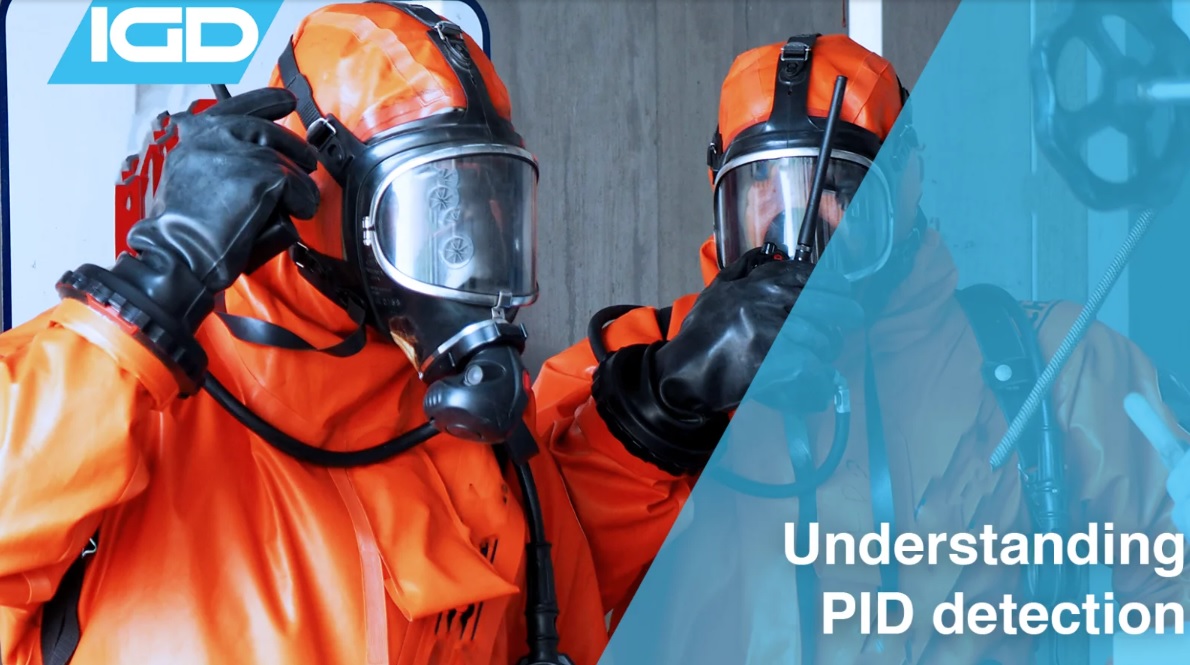



What is a PID? PID stands for Photoionization Detector. It is a technology used to…
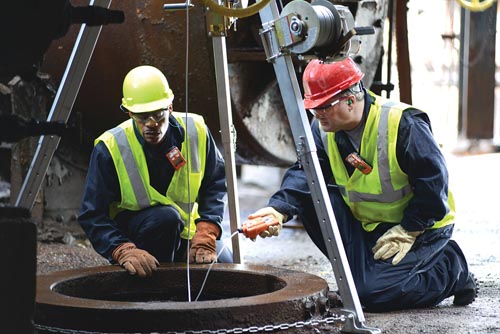
How to Protect Workers from Exposure to Hazardous Gases in Industrial Environments
Employees are the most valuable asset of any company or organization.
Protecting them is not only a moral responsibility — it is also a legal requirement under strict safety regulations.
Ensuring worker safety throughout all working hours, especially in environments where hazardous gases may be present, is critical for preventing accidents, maintaining compliance, and supporting continuous operations.
⚠️ What Types of Gases Are Workers Exposed To?
Depending on the industry, workers may be exposed to a wide range of hazardous gases — often invisible and without warning.
Understanding these risks is the first step toward effective protection.
🔍 Which Gases Should Be Monitored?
☠️ Toxic Gases (Prevent Poisoning)
These gases can cause serious health effects or even death when inhaled:
- Carbon monoxide (CO)
- Sulfur oxides (SO₂, SOx)
- Nitrogen oxides (NO, NO₂, NOx)
- Chlorine (Cl₂)
- Ozone (O₃)
👉 Even low concentrations over time can be dangerous.
💥 Flammable & Explosive Gases (Prevent Explosions)
These gases can ignite and cause catastrophic incidents:
- Hydrogen (H₂)
- LPG (liquefied petroleum gas)
- Methane (CH₄)
- Methanol vapors
👉 Monitoring %LEL (Lower Explosive Limit) is essential.
🌫️ VOCs & Hydrocarbons (Air Quality & Long-Term Exposure)
Volatile Organic Compounds and hydrocarbons are common in industrial environments:
- Solvents
- Fuel vapors
- Organic chemicals
👉 These can impact both short-term safety and long-term health.
🫁 Oxygen Deficiency or Enrichment (Prevent Asphyxiation)
Oxygen levels outside the normal range can be life-threatening:
- Oxygen deficiency → risk of suffocation
- Oxygen enrichment → increased fire risk
👉 Safe oxygen levels must be continuously monitored.
🚀 The Bottom Line
Without proper gas monitoring, workers are exposed to serious and often invisible dangers.
Implementing the right gas detection strategy ensures:
✔ Worker safety
✔ Regulatory compliance
✔ Prevention of incidents and downtime
🤝 How MSGD Can Help
At MSGD – Most Simple Gas Detection, we provide simple, reliable solutions to protect your workforce:
- Portable and fixed gas detection systems
- Calibration and maintenance services
- Industrial hygiene and air monitoring solutions

Hazardous Gases in Different Industries – What You Need to Know
Every industry has its own unique gas hazards.
Understanding which gases are present in your specific environment is essential for selecting the right detection solutions and ensuring worker safety.
Below is a practical breakdown of common hazardous gases by industry.
🧪 Chemical Industry

High-risk environments with a wide range of toxic and explosive gases:
- Flammable and explosive gases
- Ammonia (NH₃)
- Carbon monoxide (CO) & carbon dioxide (CO₂)
- Chlorine (Cl₂)
- Ethylene & ethylene oxide
- Hydrogen chloride (HCl) & hydrogen cyanide (HCN)
- Nitrogen oxides (NOx)
- Oxygen deficiency
- Phosphine (PH₃)
- Refrigerant gases
- Sulfur oxides (SOx)
- VOCs (volatile organic compounds)
🌾 Agriculture

Common risks in farms, silos, and fertilizer use:
- Ammonia (NH₃)
- Flammable gases (biogas, methane)
- Ethylene
- Carbon dioxide (CO₂)
- Nitrogen oxides (NOx)
- Refrigerants
- VOCs
🍺 Food & Beverage Industry

4
Often underestimated risks, especially from CO₂ and refrigeration:
- Flammable gases
- Ammonia (NH₃)
- Carbon dioxide (CO₂) & carbon monoxide (CO)
- Ethylene
- Oxygen deficiency
- Refrigerant gases
- Sulfur oxides
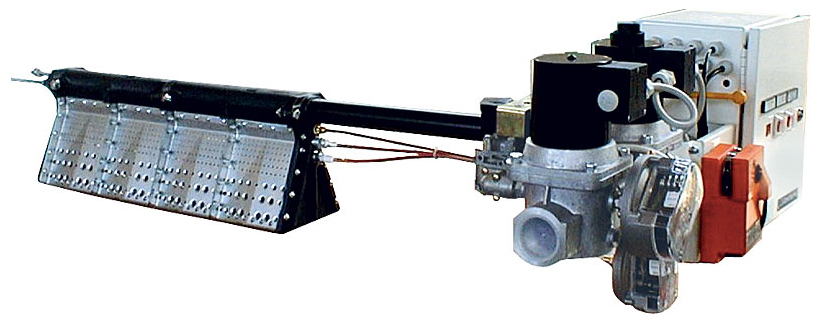
🎨 Paints & Coatings
4
Highly flammable environments with solvent exposure:
- Flammable and explosive gases
- Oxygen deficiency
- VOCs (organic solvents, hydrocarbons)
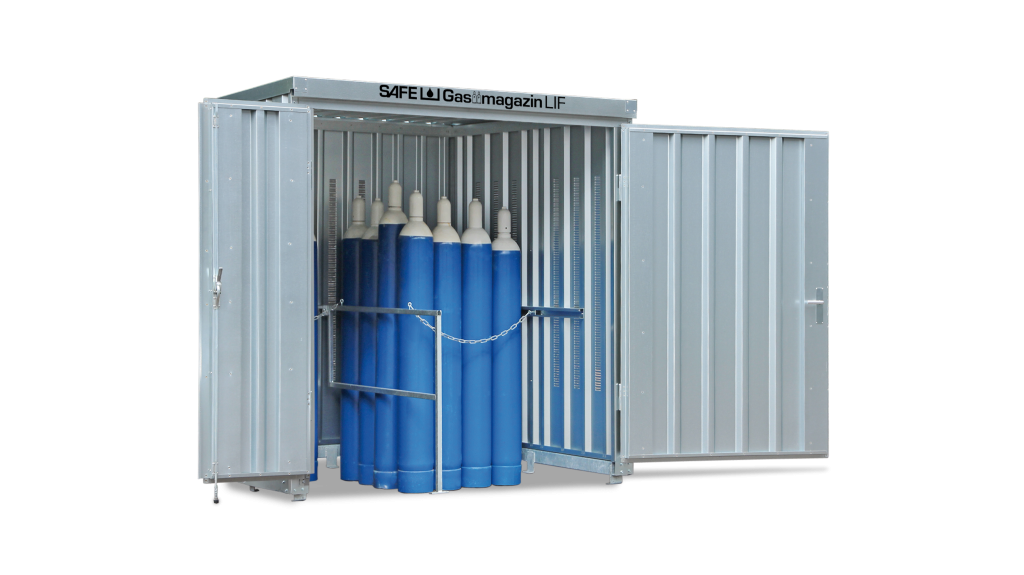
☣️ Hazardous Materials (HazMat)
4
Wide range of dangerous and toxic gases:
- Flammable and explosive gases
- Ammonia (NH₃)
- Carbon monoxide (CO) & carbon dioxide (CO₂)
- Chlorine dioxide (ClO₂)
- Hydrogen sulfide (H₂S)
- Phosphine (PH₃)
- Sulfur dioxide (SO₂)
- VOCs
🏗️ Heavy Industry
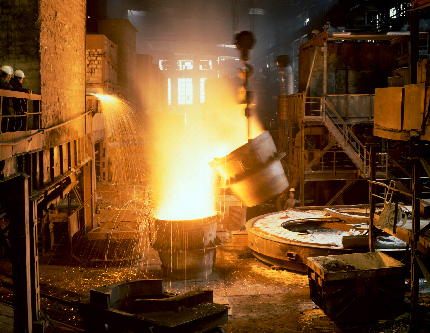
High-temperature processes and combustion gases:
- Flammable gases
- Carbon monoxide (CO)
- Hydrogen chloride (HCl)
- Hydrogen cyanide (HCN)
- Hydrogen sulfide (H₂S)
- Nitrogen oxides (NOx)
- Refrigerants
- Organic compounds
🏢 Offices, Parking Garages & Institutions
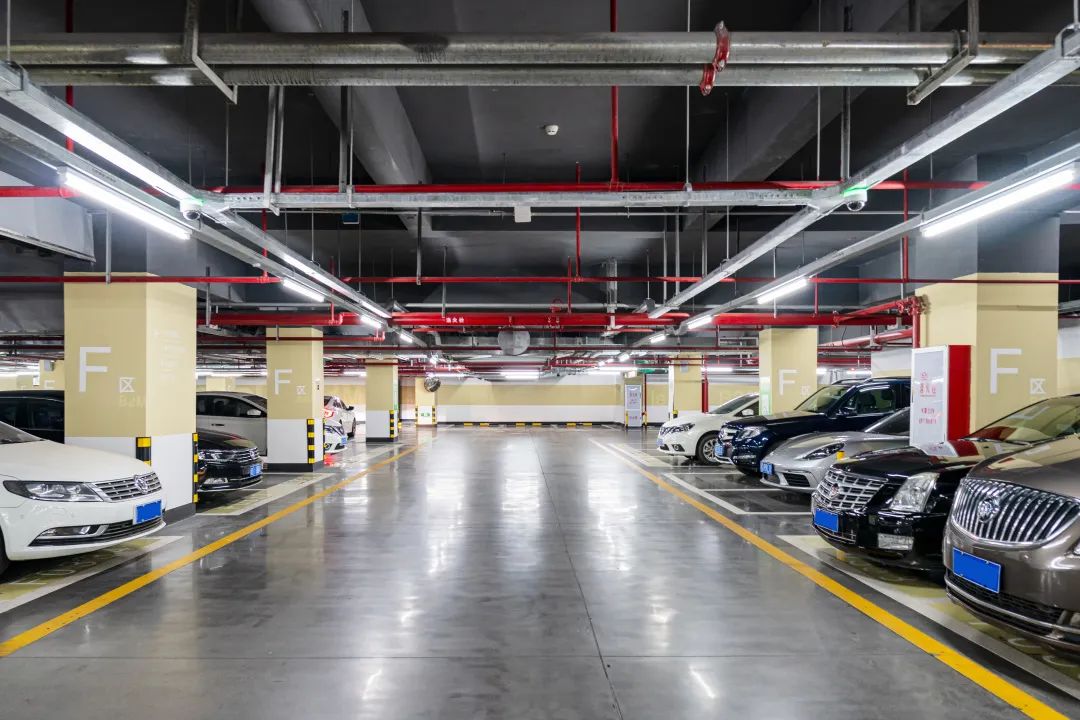
Often overlooked but critical for public safety:
- Flammable gases
- Ammonia (NH₃)
- Carbon monoxide (CO) & carbon dioxide (CO₂)
- Ethylene oxide
- Nitrogen oxides (NOx)
- Oxygen deficiency
- Refrigerants
- VOCs
🏥 Medical Industry

Sensitive environments with strict safety requirements:
- Carbon dioxide (CO₂)
- Ethylene & ethylene oxide
- Oxygen deficiency
- Refrigerants
- VOCs
🛢️ Petrochemical, Oil & Gas
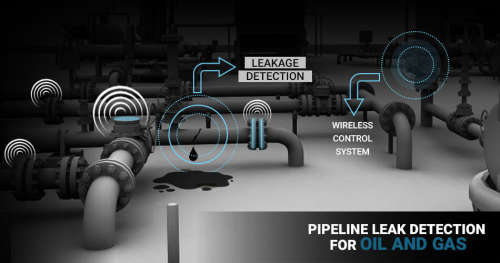
One of the highest-risk industries:
- Explosive gases (methane, hydrocarbons)
- Ammonia (NH₃)
- Carbon monoxide (CO)
- Hydrogen chloride (HCl)
- Hydrogen sulfide (H₂S)
- Oxygen deficiency
- Sulfur oxides (SOx)
- VOCs
💊 Pharmaceutical Industry

Controlled environments with hazardous chemicals:
- Explosive gases
- Ammonia (NH₃)
- Ethylene oxide
- Hydrogen cyanide (HCN)
- Refrigerants
- VOCs
⚡ Power Plants
- Flammable and explosive gases
- Ammonia (NH₃)
- Carbon monoxide (CO) & carbon dioxide (CO₂)
- Chlorine (Cl₂)
- Hydrogen chloride (HCl)
- Oxygen deficiency
- Sulfur oxides (SOx)
- VOCs
🚗 Automotive Industry
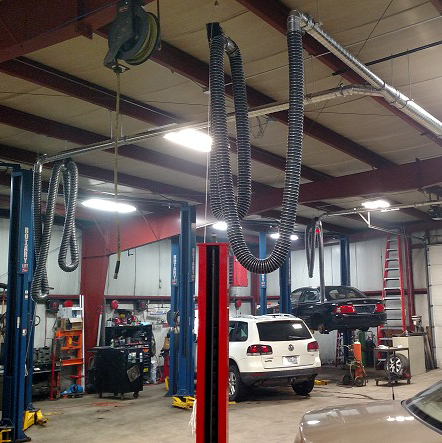
Common risks in workshops and production:
- Flammable gases
- Carbon monoxide (CO) & carbon dioxide (CO₂)
- Nitrogen oxides (NOx)
- Oxygen deficiency
- Refrigerants
- Sulfur oxides (SOx)
- VOCs
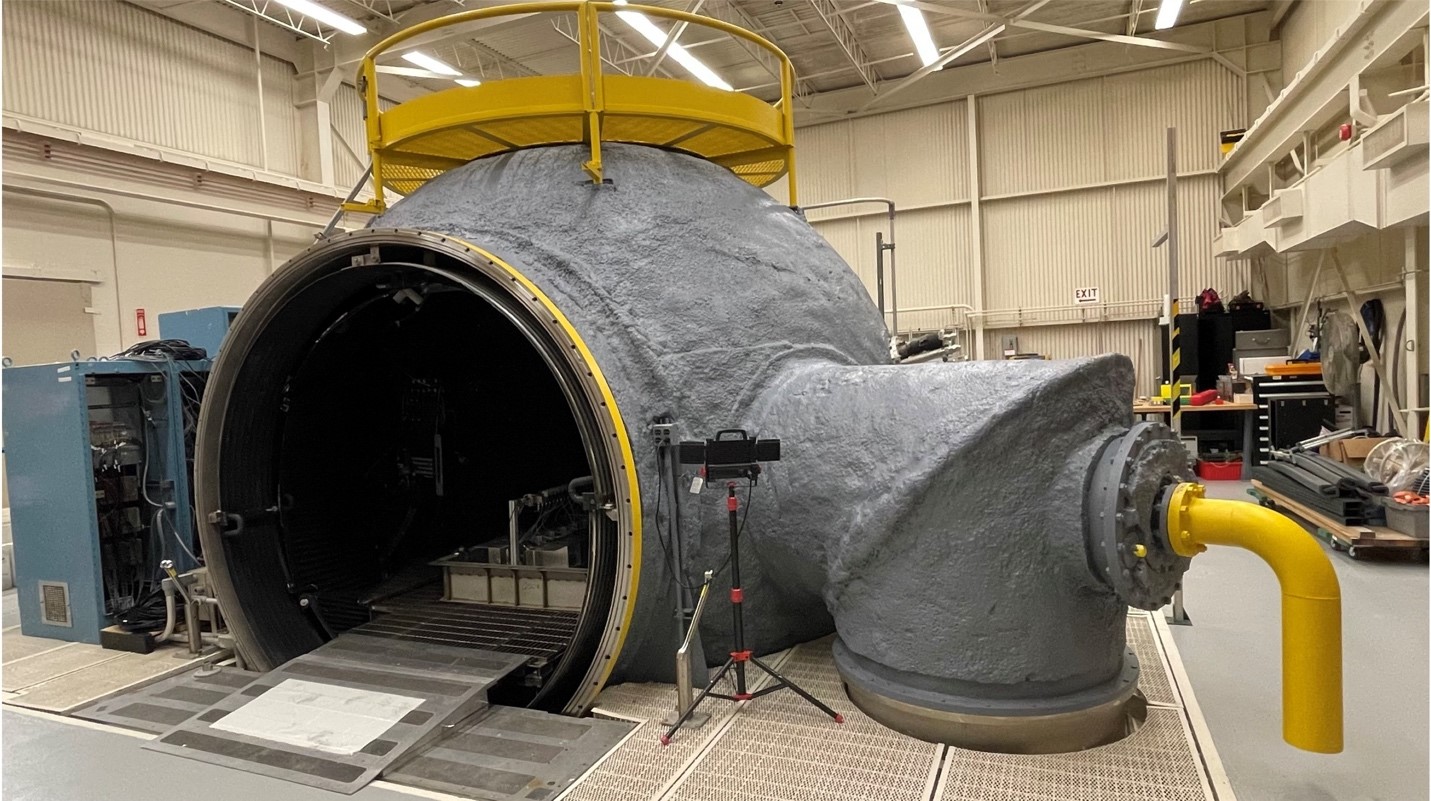
🚀 Aerospace & Defense
4
Specialized and high-risk environments:
- Explosive gases
- Carbon dioxide (CO₂)
- Nitrogen oxides (NOx)
- Oxygen deficiency
- Refrigerants
- Toluene and solvents
✈️ Aviation Industry

Maintenance and fuel handling hazards:
- Flammable and explosive gases
- Carbon monoxide (CO)
- Hydrogen cyanide (HCN)
- Nitrogen oxides (NOx)
- VOCs
What Equipment Helps Protect Workers from Hazardous Gases?
In the past, workers relied on their sense of smell to detect dangerous gases.
While the human nose is sensitive, it is not reliable for safety:
- Many dangerous gases are odorless (like carbon monoxide)
- Oxygen deficiency cannot be detected by smell
- Smell cannot be measured or quantified
👉 Relying on smell alone can be life-threatening.
⛏️ A Brief History of Gas Detection
The first gas detection device was introduced around 1855 and used by coal miners in England to identify hazardous conditions underground.
Since then, technology has evolved dramatically — and today we have advanced, highly accurate gas detection systems designed to protect workers in real time.
🔍 Types of Gas Detection Equipment
Modern gas detection falls into two main categories:
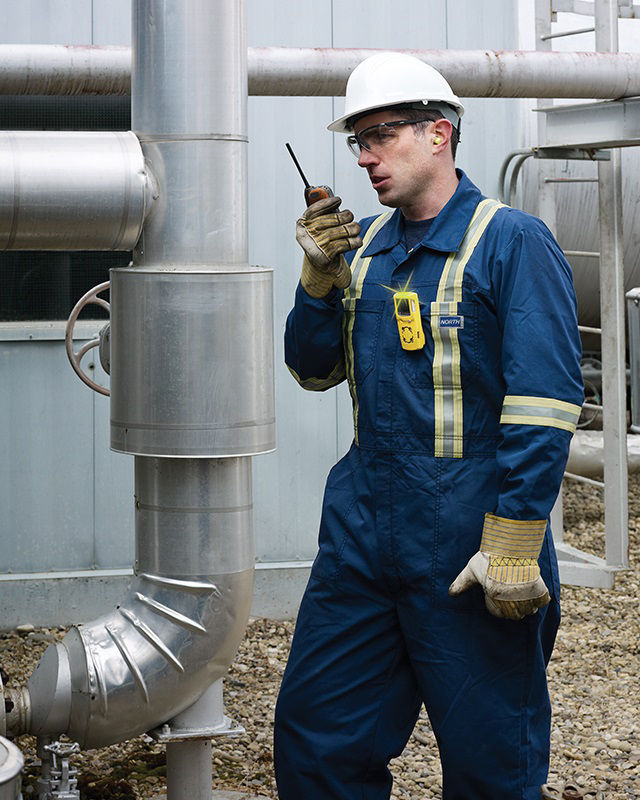
👷 Personal Portable Gas Detectors


 4
4- Worn by the worker at all times
- Provides real-time personal protection
- Detects gases directly in the worker’s breathing zone
- Ideal for:
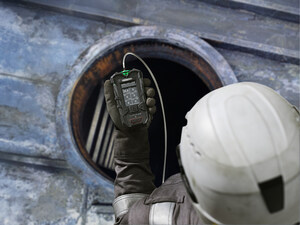
- Confined spaces
- Maintenance work
- Moving between areas
👉 This is the worker’s personal safety device
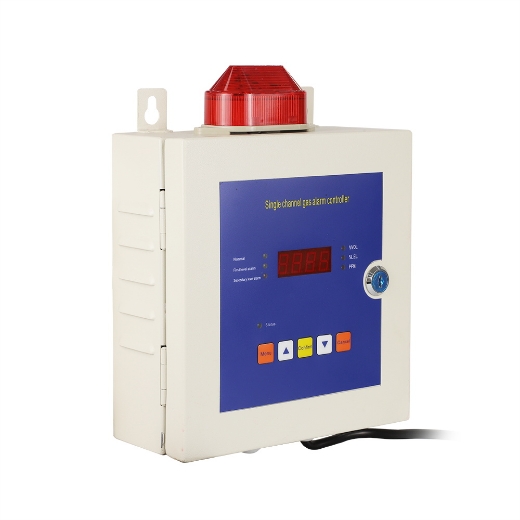
🏭 Fixed Gas Detection Systems


 4
4- Installed in specific locations
- Provides continuous area monitoring (24/7)
- Connected to alarms, control panels, and safety systems
- Ideal for:
- Production areas
- Storage zones
- Laboratories
- Hazardous locations
👉 This is your facility-wide protection system
⚠️ Important: You Need BOTH
Installing a fixed system does NOT replace the need for portable detectors.
Why?
- Fixed systems monitor specific locations only
- Workers move between different areas
- A portable detector may alarm before the fixed system detects the hazard — or vice versa
👉 The safest approach is a combination of both systems
🎯 Why Do You Need Gas Detection?
✔️ Personal Protection
Portable detectors protect the worker wherever they go — not just in one location.
✔️ Leak Detection Anywhere
Portable devices allow you to quickly check for gas leaks in different areas, not only where fixed detectors are installed.
✔️ Early Warning System
Gas detectors provide immediate alerts:
- Audible alarm
- Visual indication
- Vibration (for personal detectors)
👉 Early warning = time to react and save lives
✔️ Cost Savings
Investing in gas detection helps prevent:
- Accidents and injuries
- Equipment damage
- Regulatory fines
- Legal claims
👉 One incident can cost far more than the detection system
✔️ Regulatory Compliance
Most industries require gas detection systems to comply with safety regulations and standards.
👉 Not using proper detection can lead to serious legal consequences
🚀 Final Thought
Gas hazards are invisible — but protection doesn’t have to be.
Using the right combination of portable and fixed gas detection systems ensures maximum safety, compliance, and peace of mind.
🎯 How to Choose the Right Portable Gas Detector
Choosing the right portable gas detector can be confusing.
There are many brands, models, and price ranges — but not all detectors are the same.
The right choice can save lives, prevent accidents, and ensure compliance. The wrong one can do the opposite.
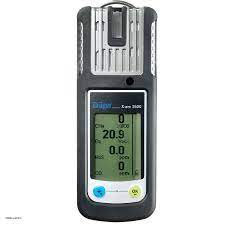
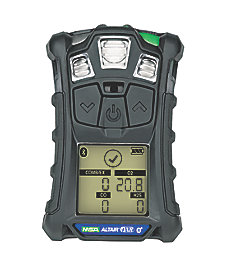
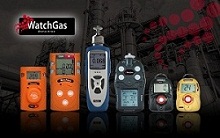
🌍 Leading Portable Gas Detector Brands
Some of the most recognized manufacturers in the market include:
- Honeywell (BW series)
- Dräger
- MSA
- WatchGas
- GasClip Technologies
Each offers different technologies, sensor types, and performance levels.
🔍 Key Parameters to Consider
When selecting a gas detector, these are the most critical factors:
🎯 Accuracy (Most Important)
Accuracy defines how reliable your readings are.
👉 Usually expressed as:
- % of full scale
- % of reading
Low accuracy = unsafe decisions
🔢 Resolution
Resolution determines the smallest value the detector can display.
Example:
A detector with a 0–999 ppm range and 3-digit display → resolution = 1 ppm
👉 Higher resolution = better sensitivity
⚠️ Cross Sensitivity (Interference)
Sensors can be affected by other gases in the environment.
👉 This can lead to:
- False alarms
- Incorrect readings
Critical for worker safety — must be understood before use
⚖️ Size & Weight
A detector is part of PPE (like a helmet).
👉 It should be:
- Lightweight
- Comfortable
- Non-intrusive
⏱️ Warm-Up Time
Time required for the detector to stabilize after being off.
👉 Important for:
- Field workers
- Fast job start
⚡ Response Time (T90)
Time needed to reach 90% of the final reading.
👉 Critical for:
- Leak detection → must be FAST
👉 Less critical for: - General air quality monitoring
📉 Sensor Drift (Stability Over Time)
All sensors drift over time.
👉 That’s why:
- Regular calibration is mandatory
🔋 Battery Life
Check:
- Rechargeable vs replaceable
- Operating time
👉 Must last full work shift
🧾 Certifications & Compliance
Most environments are hazardous.
👉 Ensure:
- ATEX certification (explosion-proof)
- Valid calibration certificate
💾 Data Logging
Many detectors store exposure data.
👉 Useful for:
- Compliance
- Worker exposure tracking
❗ Not All Detectors Are Equal
Differences include:
- Price
- Sensor quality
- Number of gases detected
- Calibration requirements
- Service & repair availability
- Training and support
👉 Always look beyond price.
🧠 Questions You MUST Ask Before Buying
Before choosing a detector, ask:
- Is the detector suitable for my specific application?
- Does it measure all required gases?
- Does it come with a valid calibration certificate?
- Does the supplier provide local calibration services?
- How fast is calibration turnaround time?
- Are spare parts available locally?
- Is the supplier certified for service and repair?
💰 How Much Does a Gas Detector Cost?
Typical pricing for 4-gas detectors (confined space use):
- $700 – $1,200 (approx.)
- Lower-cost models ($400–$600) → often lower quality
- Professional models → higher reliability & lifespan
👉 Investing in quality = long-term savings
⭐ Example: Why the QGM 4-Gas Detector Stands Out
A strong value-for-money option includes:
- ✔ 24-month full warranty
- ✔ TWA & STEL exposure alarms
- ✔ Durable, shock-resistant design
- ✔ Long-life, stable sensors
- ✔ Easy maintenance
- ✔ Annual calibration support
- ✔ Full training included


Related Posts