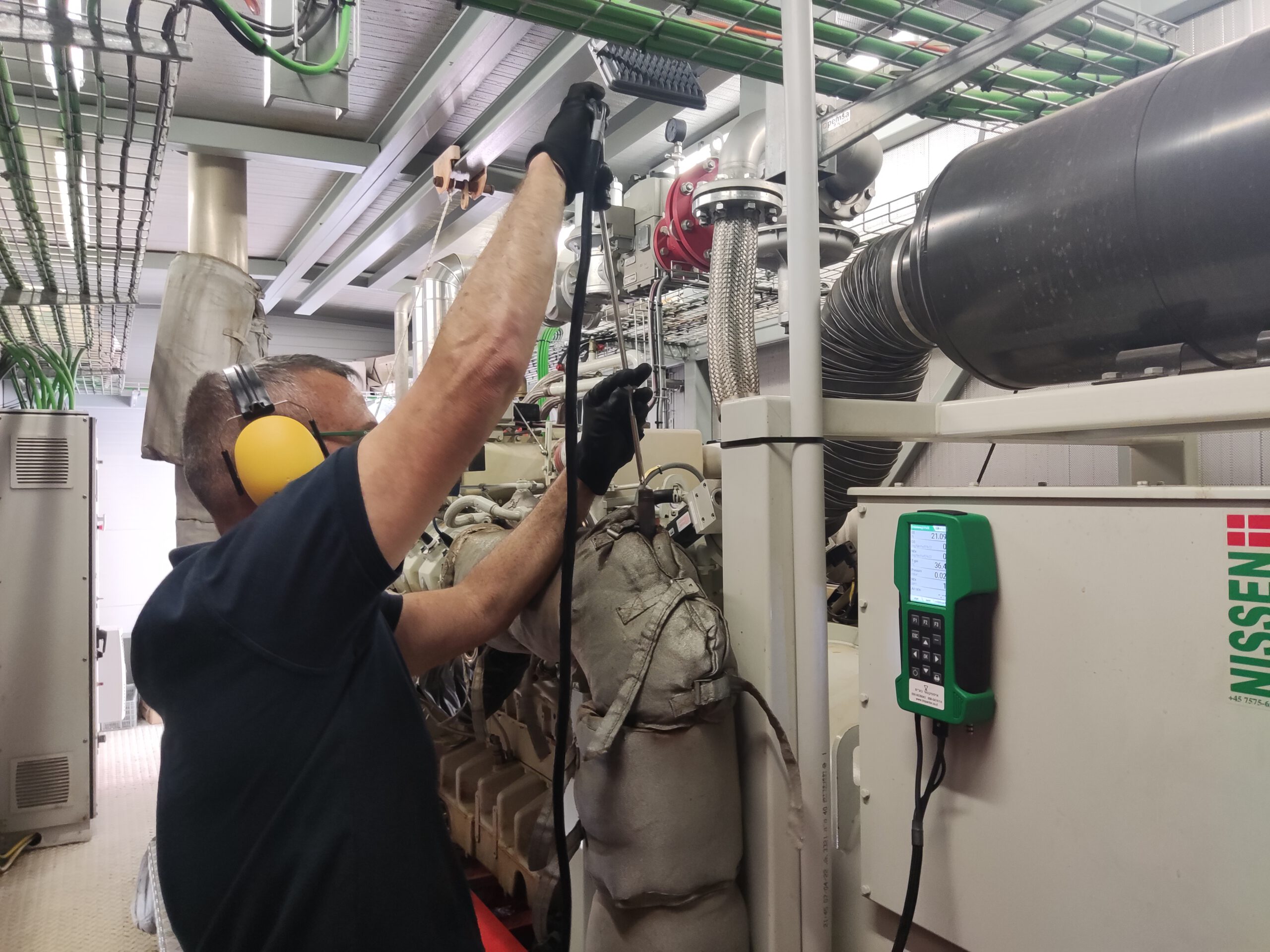
Optimizing Biogas Power Generation Through Accurate Gas Analysis Across the world, wastewater treatment plants and…
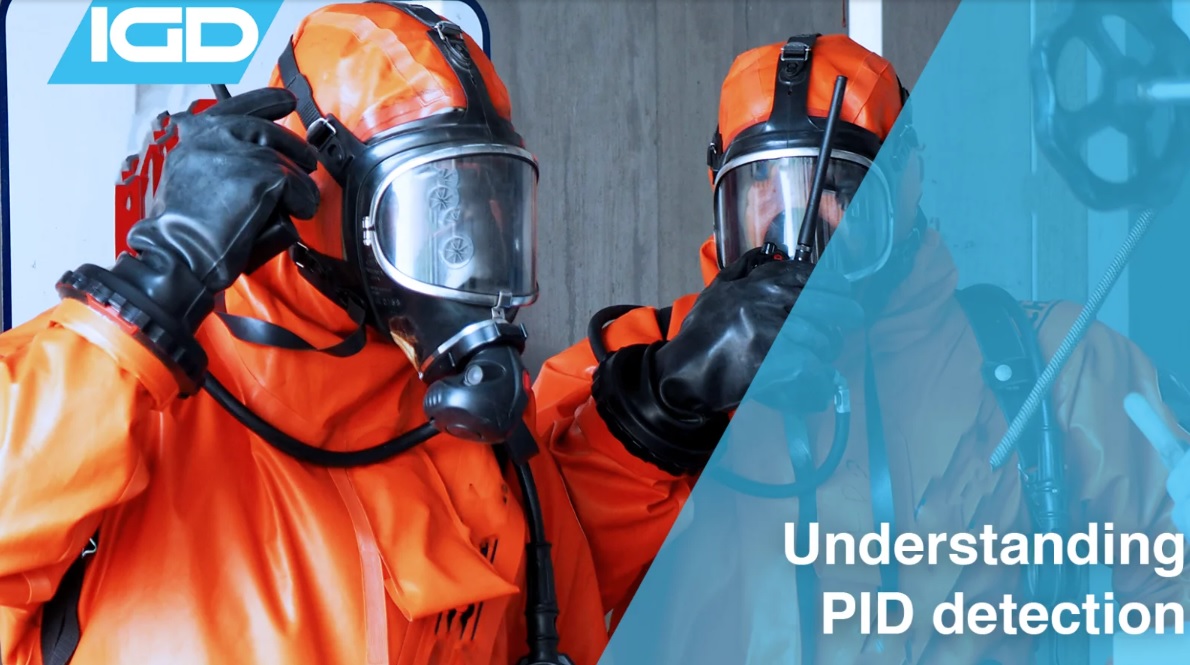
Survey of all PID detectors in the market
What is a PID?
PID stands for Photoionization Detector.
It is a technology used to measure volatile organic compounds (VOCs) in the air.
VOCs (Volatile Organic Compounds) are chemicals that can easily become gases.
Some VOCs can be harmful to human health and may cause illness or even death.
How does a PID work?
A PID uses:
- A sensor
- A UV (ultraviolet) lamp
The UV light produces energy (photons) that interacts with VOC molecules in the air.
If the energy is high enough:
- An electron is released from the molecule
- This creates a small electric current
- The sensor measures this current
- The result is shown on the device display
Ionization energy
- The energy needed to remove an electron from a molecule is called ionization energy
- Each gas has a different ionization energy
PID lamps come with different energy levels:
- 9.8 eV
- 10.6 eV (most common)
- 11.7 eV
A gas can be detected only if:
The lamp energy is higher than the gas ionization energy
Although the 11.7 eV lamp can detect more compounds, it is less stable and has a very short lifespan (about one month).
Therefore, the 10.6 eV lamp is the most widely used.
Advantages of PID
- Can detect a wide range of compounds
- Very fast response (1–3 seconds)
- High sensitivity (down to 1 ppb)
- Good repeatability between measurements
Limitations of PID
- It does not identify specific compounds
→ It gives a total reading of all VOCs (Total VOC / TVOC) - Some devices allow selective measurement (for example, benzene only)
- Performance can be affected by:
- Humidity
- Dust
(Some manufacturers have improved this, others have not)
When should a PID detector be used?
A PID is useful in situations where volatile organic compounds (VOCs) may be present in the air.
Common uses include:
- Soil gas measurements
- Checking filter efficiency in ventilation systems
- Detecting organic vapors in air
- Testing monitoring wells (piezometers) at gas stations
- Research and development of sensors and materials
- Stack emissions measurements (chimneys / exhaust systems)
Types of PID detectors on the market
There are several PID detectors available today.
Three well-known portable models are:
- Tiger (Ion Science)
- NEO (WatchGas)
- RAE systems (Honeywell)
What are the differences between them?
PID detectors may differ in:
- Measurement range
- Sensitivity and accuracy
- Lamp type (ionization energy)
- Response time
- Size and weight
- Battery life
- Data logging and connectivity
- Durability and resistance to humidity/dust
How to choose a PID detector?
The choice depends on the application:
- General VOC monitoring → standard PID with 10.6 eV lamp
- High sensitivity needs (very low concentrations) → higher sensitivity models
- Specific compound monitoring (e.g., benzene) → detectors with selective capability
- Harsh environments → more rugged devices with better humidity resistance
Advantages and limitations of different models
All PID detectors share general advantages and limitations:
Advantages:
- Fast detection (seconds)
- High sensitivity
- Wide range of detectable VOCs
Limitations:
- Cannot identify specific gases (only total VOC)
- Performance may be affected by humidity and contamination
- Lamp maintenance is required
Different models mainly vary in:
- Ease of use
- Stability and reliability
- Maintenance requirements
- Additional features (wireless, alarms, logging)
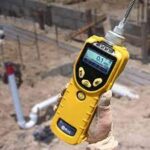

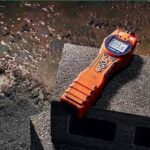
Comparison of PID Detectors (Tiger vs NEO vs RAE)
1. Battery life
All three devices use internal lithium batteries.
- NEO (WatchGas): up to 24 hours
- Tiger (Ion Science): up to 24 hours
- RAE (Honeywell): about 16 hours
2. Accuracy
- NEO: ±3%
- RAE: ±3%
- Tiger: ±5%
(Based on calibration point testing)
3. Size and weight
Smaller and lighter devices are easier to use.
- NEO: ~700 g (lightest and most compact)
- Tiger: larger and longer design, may be less convenient in some work areas
- RAE: standard size (between the two)
4. Sensor
All three devices use:
- PID sensor with 10.6 eV UV lamp
Optional:
- 11.7 eV lamp available for Tiger and RAE
5. Measurement range and sensitivity
- NEO: up to 15,000 ppm, sensitivity down to 1 ppb
- RAE: up to 15,000 ppm, sensitivity around 100 ppb
- Tiger: similar range, typically less sensitive than NEO
6. Recovery time (return to zero)
Important when taking many measurements quickly.
- NEO: ~2–3 seconds (very fast)
- Tiger: up to ~90 seconds (much slower)
- RAE: moderate (between the two)
7. Response time
All three devices respond quickly:
- About 3 seconds
8. Data logging (memory)
- NEO: up to ~12 months (1-minute intervals)
- RAE: up to ~6 months
- Tiger: up to ~3 months
9. Range of detectable compounds
- NEO: wide and continuously expanding library
- Others: less clearly specified or dependent on configuration
Summary (objective)
- All three devices are capable PID detectors for VOC measurement
- Differences mainly relate to:
- Sensitivity
- Speed (especially recovery time)
- Battery life
- Size and usability
- Data storage capacity
Basic use example (NEO)
Typical operation:
- Turn on the device
- Wait about 30 seconds for startup
- Read VOC concentration directly on the display

Using a PID (NEO) to Check Filter Efficiency
A PID detector such as the NEO can be used to evaluate how well an air filtration system is working.
Ventilation systems often include filters that are designed to:
- Clean the air
- Remove contaminants, especially volatile organic compounds (VOCs)
How to check if the system is working
The method is based on measuring before and after the filter:
- Measure before the filter
- VOC levels may be relatively high
- Measure after the filter (at the outlet)
- VOC levels should be close to zero if the system is working properly
What the results mean
- High before + low after → filtration is effective
- High before + high after → filtration may not be working properly
Measurement characteristics
- The result is immediate
- The device draws air into the sensor
- The reading is displayed directly on the screen

Fire Investigation and Gas Detection Using a PID (NEO)
A PID detector such as the NEO can also be used in fire investigation and for measuring gases in the air after a fire.
Firefighters often respond to incidents where it is necessary to check for hazardous gases.
Why use a PID together with a 4-gas detector?
A standard portable 4-gas detector typically measures:
- Oxygen (O₂)
- Carbon monoxide (CO)
- Flammable gases (LEL)
- Hydrogen sulfide (H₂S)
However, this is often not enough in fire situations.
Additional capability with PID
When a PID detector is used together with a 4-gas detector, it allows detection of additional hazardous gases, such as:
- Volatile organic compounds (VOCs)
- Some toxic gases that are not covered by standard sensors
Important note
- A PID is mainly designed for detecting organic vapors (VOCs)
- It does not directly measure inorganic gases such as:
- Ammonia
- Phosphine
- Nitrogen oxides
These gases require specific sensors or detectors
Summary
- A PID detector is a useful additional tool in fire investigation
- It helps identify the presence of organic vapors and unknown contaminants
- For full safety assessment, it should be used together with other gas detection instruments

Health Effects of VOC Exposure
Breathing volatile organic compounds (VOCs) can cause serious health problems.
Common sources of VOCs include:
- Building materials
- Furniture
- Household chemicals
These are major contributors to what is known as “Sick Building Syndrome.”
Key VOCs and Exposure Limits
Because there are many different VOCs, it is not practical to set a limit for each one.
Instead:
- A group of 13 main VOCs has been defined
- These represent common and potentially harmful compounds
Safety standard
A general guideline has been established:
- Total concentration should not exceed 400 µg/m³
This level is considered safe for long-term exposure, meaning:
- It should not cause health problems even with continuous exposure over time
Summary
- VOCs are common in indoor environments
- Long-term exposure can affect human health
- Standards focus on key compounds and total concentration limits to ensure safety
Related Posts