What Does Your Morning Orange Juice Have to Do with Gas Detection? Probably more…
The full Oxygen guide in gas detection
Recommended Oxygen Detectors
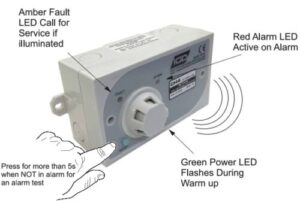
Fixed Oxygen Deficiency Detector – Model TOC-750BAV
This is a standalone detector powered by 24V or 220V.
Dry contact relay alarm at 19.5% (as required by safety standards)
Built-in strong audible alarm
LED alarm indicator
Fault alarm indicator
Power indicator
RESET button to silence and reset the alarm
TEST button to check the detector
Supplied with calibration certificate and installation instructions
Oxygen Deficiency Detector for Rooms – TOC-750BAV
Example project:
Installation of an oxygen detector with a warning light outside the room.
The warning light includes:
Visual alarm
Audible alarm
Sign: “GAS ALARM”
Main advantage:
You can know if there is a nitrogen leak before entering the room.
Portable Oxygen Deficiency Detector – Model SGT-P
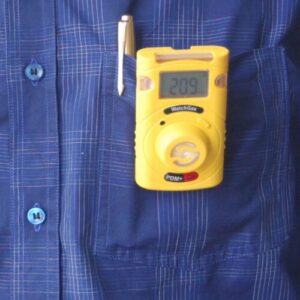
Rubber-coated for scratch protection
Small and compact
Easy to use
Certified for explosive areas (ATEX)
Water and dust protection (IP67)
Battery life up to 3 years (replaceable)
When oxygen drops to 19.5%:
Vibration alarm
Audible alarm
LED lights activate
Supplied with calibration certificate and user instructions.
Where to Install Oxygen Detectors?
Common installation areas:
Laboratories
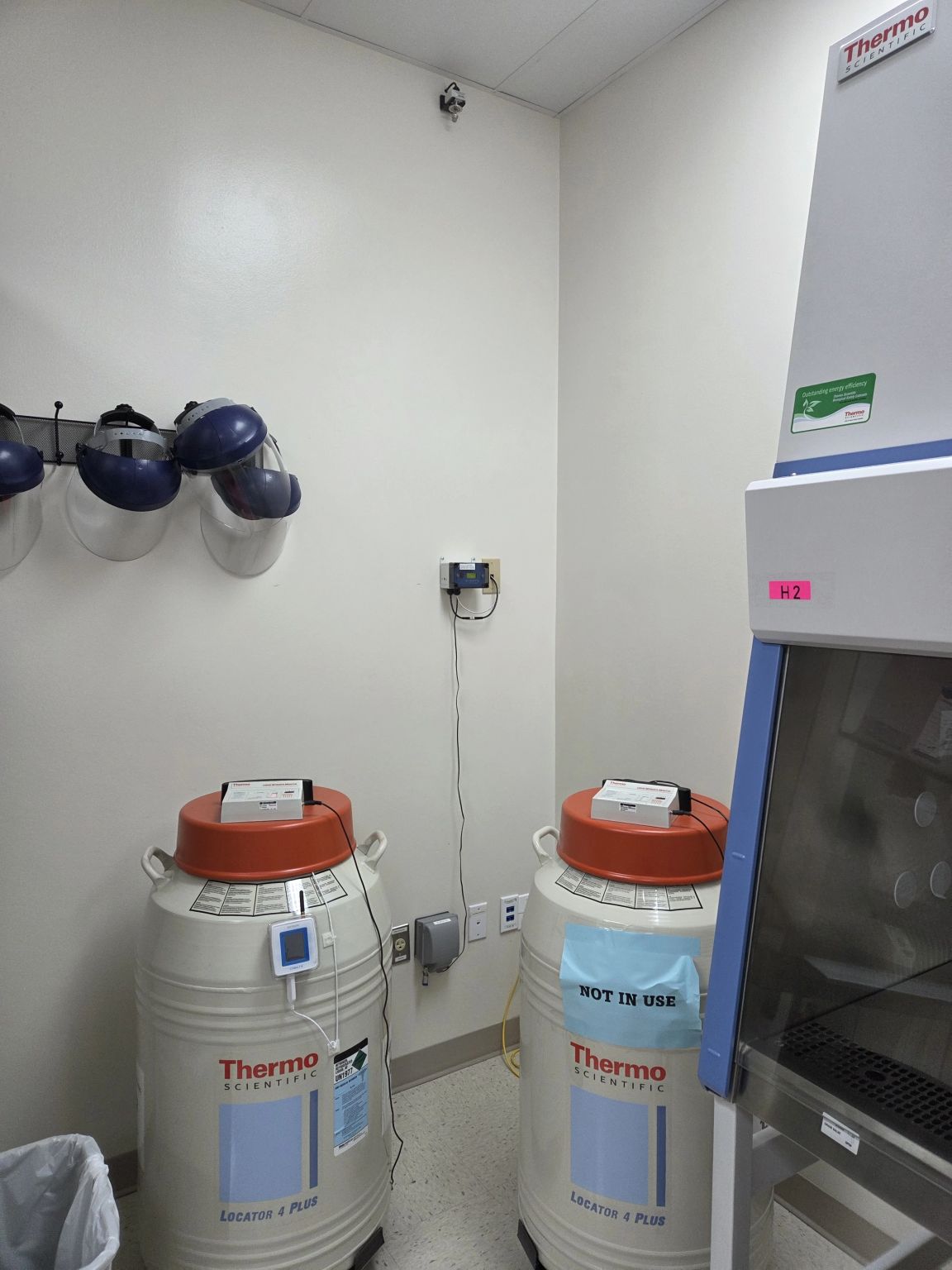
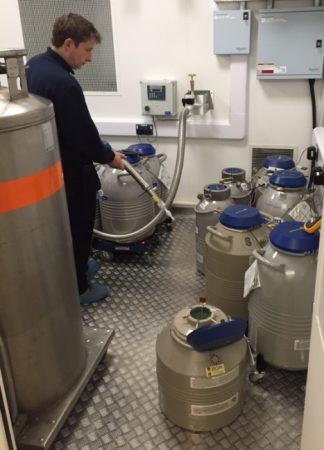
Nitrogen cylinder storage rooms
Living spaces
Industrial production halls
Warehouses
Industrial facilities
Where Is It Most Important?
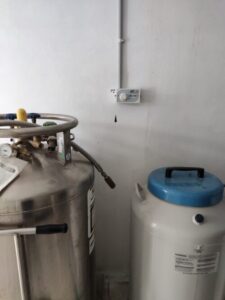
The most common place is where nitrogen gas cylinders are used.
Nitrogen leaks can quickly reduce oxygen levels.
Low oxygen can be dangerous to human life.
Can the Detector Connect to Fire Systems?
Yes.
Can connect to external systems (like fire alarm systems)
Uses dry contact relay output
Also:
Can work as a standalone unit
Can connect to a solenoid valve to shut off gas automatically
Can activate warning light + siren
Can control ventilation, AC, or open windows
Large Room – Do I Need Many Detectors?
If the room is larger than ~500 sqft, it is recommended to install multiple sensors.
At the entrance:
Install a gas controller with digital display
Shows oxygen levels from all sensors
This way, you know before entering if it is safe.
Alarm Level
Normal oxygen level: 20.9%
Dangerous level: 19.5%
All our detectors alarm at 19.5%.
Do I Need to Calibrate Before Installation?
No.
The detector comes pre-calibrated.
Just connect power and it is ready to use.
Detector Lifetime
All detectors have limited life.
Many brands: ~2 years
Our detectors: 5+ years lifetime
Where Is the Detector Made?
100% made in the UK
Meets strict European standards:
EN50194:1
EN60335:1
Installation Height
Install at about 1 meter height (breathing zone)
Keep at least 1 meter away from heat sources or emissions
Can be installed in any direction
Do NOT install flat on the floor facing up
Why Choose Our Detector?
Long sensor life: 5–10 years
Made in UK 🇬🇧
Easy to install (can do it yourself)
Pre-calibrated – ready to use immediately
Full technical support and on-site calibration service
Available in stock for fast delivery
Professional installation available
Related Posts