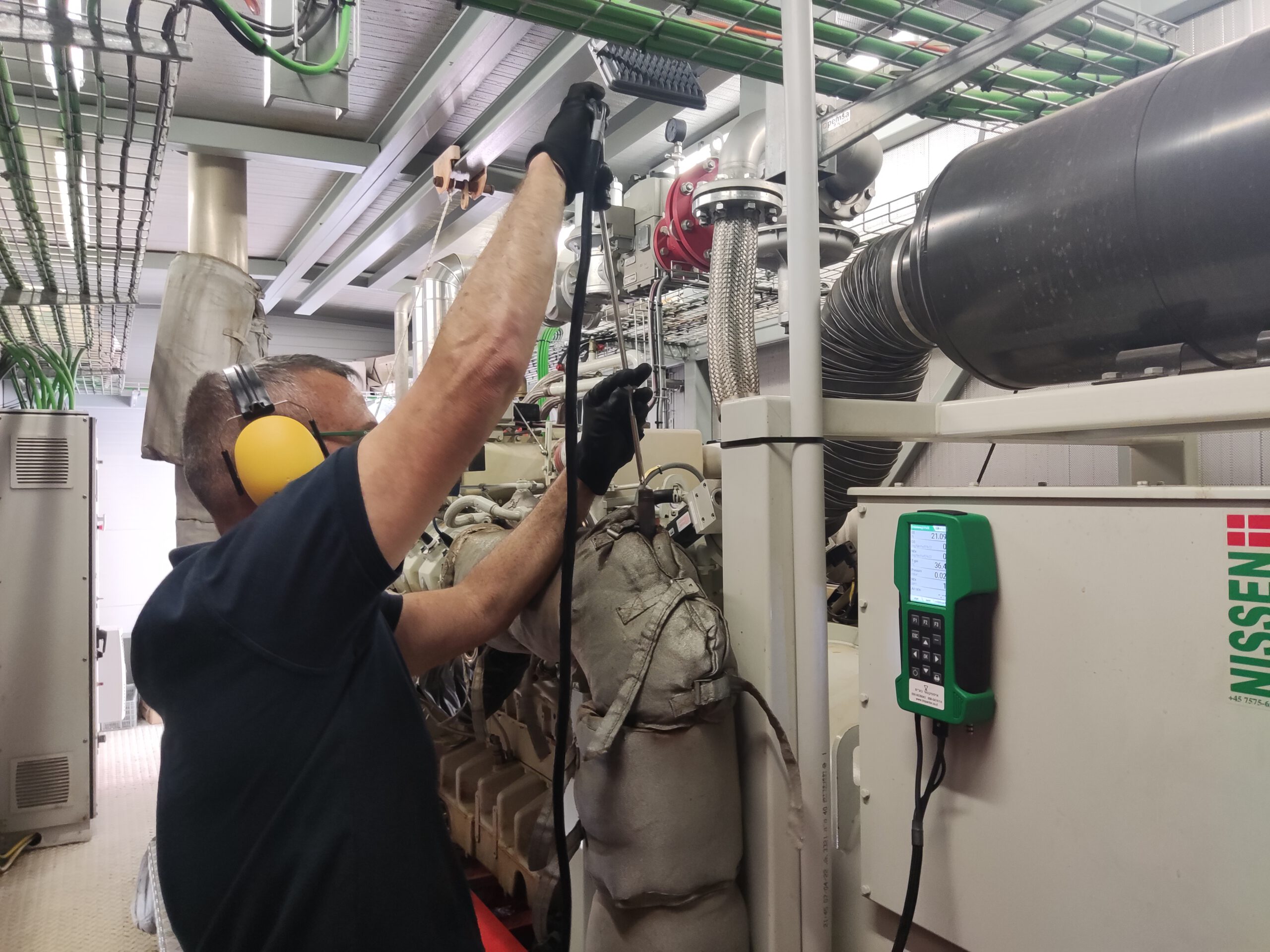
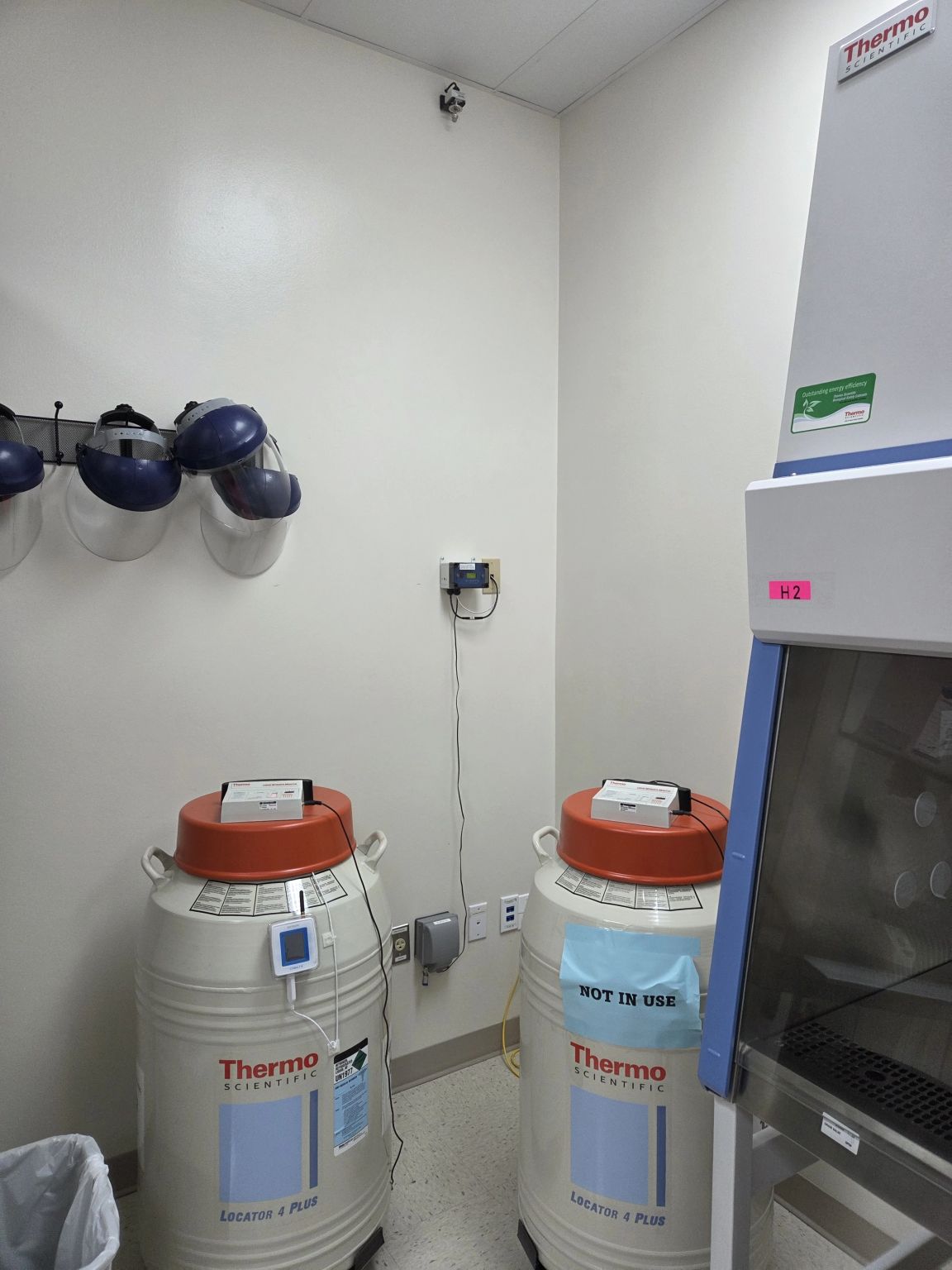
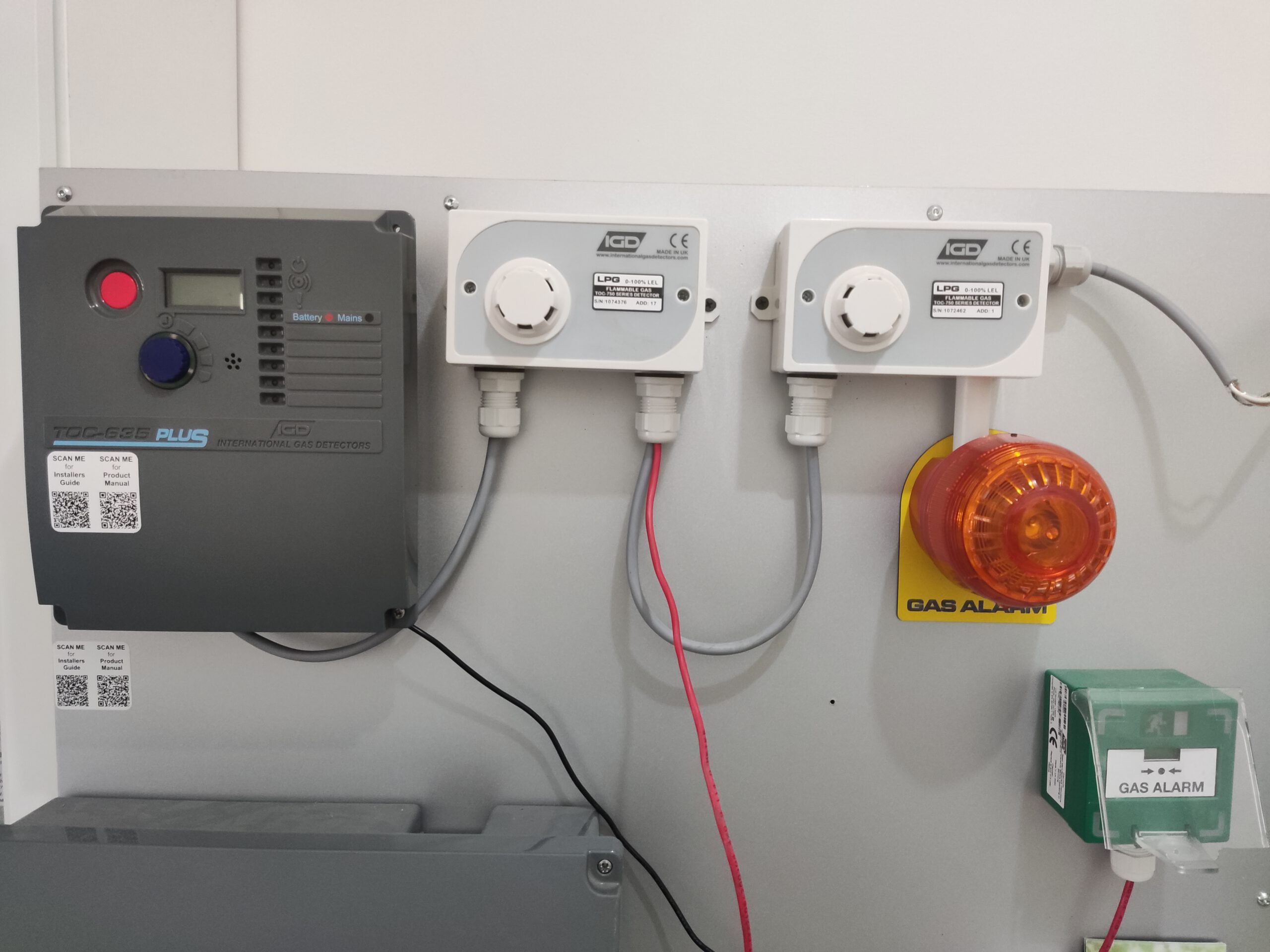
Optimizing Biogas Power Generation Through Accurate Gas Analysis Across the world, wastewater treatment plants and…
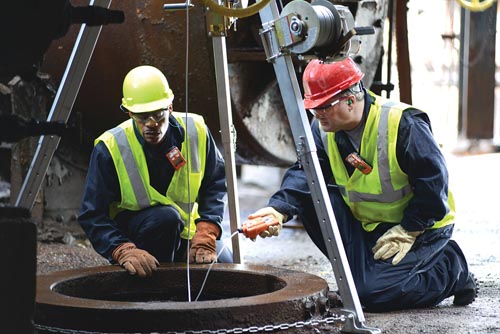
Confined Spaces: Regulations, Legal Requirements, and Essential Safety Equipment
What Is a Confined Space?
According to occupational safety regulations, a confined space is any enclosed or partially enclosed area that is not designed for continuous occupancy and may present serious hazards to anyone who enters it. These spaces can include chambers, tanks, pits, vaults, ducts, pipelines, tunnels, and many other similar environments.
Although they may appear harmless, confined spaces can quickly become dangerous due to oxygen deficiency, toxic gases, flammable atmospheres, or limited escape routes. Understanding which areas qualify as confined spaces is the first step toward preventing serious accidents.
Common Examples of Confined Spaces
- Tunnels
- Wells
- Pits
- Cold storage rooms and refrigeration chambers
- Ship cargo holds
- Basements
- Storage tanks and process vessels
- Sewer systems and manholes
- Silos
- Vaults
- Open trenches
What Are the Hazards of Working in a Confined Space?
Confined spaces present unique risks that are often hidden from view. A space may look completely safe, yet conditions can change within seconds, creating an environment that becomes dangerous—or even fatal—without warning.
Understanding these hazards is essential before anyone enters a confined space.
Common Confined Space Hazards
Fire and Explosion
Flammable gases, vapors, or combustible dust can ignite from a single spark, creating a fire or explosion. Even routine maintenance activities can become extremely hazardous if the atmosphere is not properly tested beforehand.
Oxygen Deficiency
One of the leading causes of confined space fatalities is a lack of oxygen. When oxygen levels fall below safe limits, workers may experience dizziness, confusion, loss of consciousness, and, within minutes, suffocation.
Toxic Gases
Hazardous gases such as hydrogen sulfide (H₂S), carbon monoxide (CO), ammonia (NH₃), or other toxic contaminants can accumulate without any visible warning. Depending on the gas and its concentration, exposure can cause serious injury, unconsciousness, or death.
Oxygen-Enriched Atmospheres
Too much oxygen can be just as dangerous as too little. A leaking oxygen cylinder or oxygen-enriched process can dramatically increase the risk of fire, allowing materials to ignite more easily and burn much more intensely.
Engulfment by Liquids or Bulk Solids
Workers can become trapped or buried by flowing liquids, powders, grains, sand, sludge, or other materials entering the confined space unexpectedly.
Heat Stress
Confined spaces often have poor ventilation, causing heat to build up rapidly. Combined with heavy protective clothing, this can significantly increase the risk of heat exhaustion or heat stroke.
Metalworking Hazards
Activities such as grinding, cutting, and welding can generate sparks, hot metal particles, fumes, and dust. These operations require additional precautions, especially when flammable gases or combustible materials may be present.
Difficult Rescue Operations
Many confined spaces have narrow entrances and limited access, making emergency rescue extremely challenging. Without a properly planned rescue strategy, even a minor incident can quickly become life-threatening.
Welding Operations
Welding inside a confined space requires careful planning and strict safety procedures. Atmospheric monitoring, adequate ventilation, fire prevention measures, and continuous supervision are essential before any hot work begins.
Additional Hazards
Every confined space should be evaluated individually, as other risks may also be present, including:
- Falls from height
- Slips and trips
- Moving machinery
- Electrical hazards
- Radiation
- Gas leaks
- Noise
- Poor visibility
- Limited communication
- Unexpected equipment startup
A confined space rarely contains just one hazard. In many cases, several risks exist simultaneously, making proper planning, atmospheric monitoring, and emergency preparedness critical for protecting everyone involved.


Confined Space Entry: Essential Safety Requirements
Entering a confined space should always be considered a last resort. Whenever possible, the work should be completed from outside the space to eliminate unnecessary exposure to potentially life-threatening hazards.
If entry is unavoidable, strict safety procedures must be followed before anyone enters.
Minimize the Need for Entry
One of the fundamental principles of confined space safety is to keep entries to an absolute minimum. Every entry increases the level of risk, so employers should first determine whether the task can be completed using remote tools, extended equipment, or other alternative methods.
Test the Atmosphere Before Entry
Before entering any confined space, the atmosphere should always be tested from outside the opening. This helps identify hazardous conditions such as oxygen deficiency, toxic gases, or flammable atmospheres before workers are exposed.
Atmospheric testing should be performed before entry and, whenever necessary, continued throughout the job.
Two Common Methods of Atmospheric Sampling
Option 1 – Lower the Gas Detector into the Space
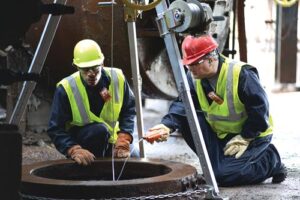
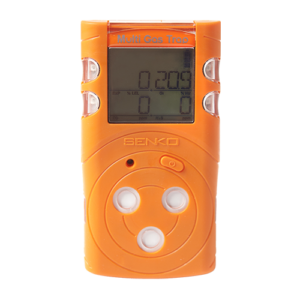
Portable gas detectors, such as the MGT, can be attached to a rope and carefully lowered into the confined space. This allows the atmosphere to be evaluated at different depths before anyone enters.
Option 2 – Use a Pumped Sampling System
Portable gas detectors equipped with an internal sampling pump—such as the MGTP Pump—can draw air through a sampling tube lowered into the confined space. This allows atmospheric testing while the operator remains safely outside the hazardous area.
Why Pre-Entry Testing Is Critical
Hazardous gases are not always evenly distributed. Some gases are heavier than air and settle near the bottom, while others rise toward the top. Oxygen levels may also vary throughout the space.
For this reason, atmospheric testing should be performed at multiple levels—top, middle, and bottom—to ensure the entire confined space is safe before entry.
A few minutes spent testing the atmosphere can prevent a potentially fatal incident. Proper gas monitoring is one of the most important steps in every confined space entry procedure.
A Simple Accessory That Can Save Your Gas Detector
When using a portable gas detector with an internal sampling pump, one small accessory can make a big difference—the floating probe.
It may seem like a minor addition, but it helps protect both your equipment and the accuracy of your gas readings.
How It Works
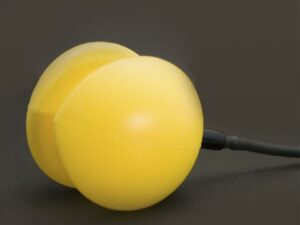
Attach the sampling tube to a floating ball before lowering it into a pit, tank, or other confined space.
If liquid is present at the bottom, the float will remain on the surface while keeping the end of the sampling tube above the liquid level. This allows the detector to sample the surrounding air instead of drawing liquid into the tubing.
Why It Matters
Without a floating probe, the sampling tube can easily become submerged. If liquid is pulled into the detector:
- The internal pump may be damaged.
- Sensors can become contaminated or fail.
- Measurements may become inaccurate.
- Repairs can be expensive, and the detector may be out of service when you need it most.
A simple floating probe helps prevent these problems by ensuring that only air—not liquid—is drawn into the instrument.
Sometimes, the smallest accessories provide the greatest protection. Using a floating probe is an easy, inexpensive step that can extend the life of your gas detector while helping ensure reliable atmospheric monitoring in confined spaces.
Atmospheric Monitoring in Confined Spaces
Before anyone enters a confined space, the atmosphere must be tested to ensure it is safe. Many hazardous gases are colorless, odorless, and invisible, making gas monitoring one of the most critical steps in any confined space entry procedure.
Atmospheric testing should always be performed with properly calibrated gas detection equipment and, when required, continued throughout the work.
The Gases That Should Be Monitored
A standard confined space assessment typically includes monitoring for:
- Oxygen (O₂) – to detect oxygen deficiency or oxygen-enriched atmospheres.
- Hydrogen Sulfide (H₂S) – a highly toxic gas commonly found in sewers, wastewater facilities, and industrial processes.
- Carbon Monoxide (CO) – a poisonous gas produced by combustion engines, generators, and other fuel-burning equipment.
- Flammable Gases and Vapors – including methane (CH₄), hydrogen (H₂), LPG, and other combustible gases that could create an explosion hazard.
- Carbon Dioxide (CO₂) – which can accumulate in enclosed spaces and displace oxygen.
- Volatile Organic Compounds (VOCs) – when solvents, fuels, chemicals, or hydrocarbons may be present. These can be measured using a dedicated VOC detector, such as the NEO detector.
Understanding Oxygen Levels
Normal atmospheric oxygen concentration is approximately 20.9% (commonly rounded to 21%).
The following oxygen levels illustrate how quickly conditions can become dangerous:
| Oxygen Level | Potential Effects |
|---|---|
| 20.9% | Normal atmospheric oxygen |
| 19.5% or higher | Minimum oxygen concentration generally accepted for safe entry (provided all other hazards are controlled) |
| 16% | Impaired breathing, reduced physical performance, poor judgment, and decreased coordination |
| Above 23% | Oxygen-enriched atmosphere with a significantly increased fire risk |
| Below 10% | Severe breathing difficulty, rapid loss of consciousness, and possible death within minutes |
Conditions for Entry Without Respiratory Protection
Entering a confined space without supplied-air respiratory equipment should only be considered when all of the following conditions are met:
- A written confined space entry permit has been issued.
- Oxygen concentration is between 19.5% and 23%.
- Toxic gases and vapors are below applicable occupational exposure limits (such as TLV and TWA) and comply with local regulations.
- Flammable gas concentration is below 10% of the Lower Explosive Limit (10% LEL).
- The physical condition of the space allows safe entry and exit.
- Continuous monitoring confirms that atmospheric conditions remain safe throughout the work.
Even if the atmosphere is safe before entry, conditions inside a confined space can change rapidly. Continuous gas monitoring, proper ventilation, and an established emergency rescue plan remain essential throughout the operation.
Essential Equipment for Working in a Confined Space
No two confined spaces are exactly alike. The equipment required for safe entry should always be determined by a site-specific risk assessment that identifies the hazards present before work begins.
In hazardous environments, workers may need respiratory protection that supplies clean breathing air independently of the surrounding atmosphere. The appropriate system depends on the level of risk and the conditions inside the confined space.
Respiratory Protection
Self-Contained Breathing Apparatus (SCBA)
An SCBA provides breathable air from a cylinder carried by the user. It is commonly used in oxygen-deficient atmospheres, toxic environments, or emergency situations where the surrounding air cannot be safely breathed.
Airline Breathing Systems
These systems deliver breathable air through a hose connected to an external air compressor or breathing air supply. They allow workers to operate for extended periods while reducing the weight of equipment carried inside the confined space.
Emergency Escape Breathing Devices (EEBD)
Escape respirators are designed only for emergency evacuation. They are not intended for performing work inside a confined space and should never be used as a substitute for proper respiratory protection.
Additional Safety Equipment
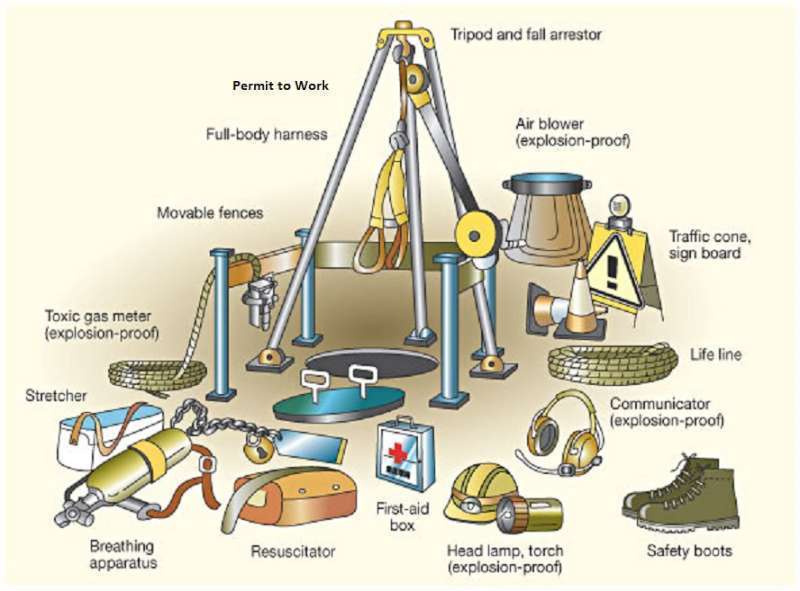
Depending on the hazards identified during the risk assessment, confined space work may also require:
- Tripod and rescue winch for vertical entry and emergency retrieval
- Full-body safety harness and lifeline
- Portable gas detector for continuous atmospheric monitoring
- Ventilation blower or air extraction system
- First aid kit
- Warning signs and restricted access barriers
- Safety boots and appropriate protective clothing
- Hard hat, gloves, and eye protection
- Intrinsically safe communication devices
- Suitable lighting for hazardous environments
Having the right equipment is only part of the solution. Every worker should be properly trained in how to inspect, use, and maintain the equipment before entering a confined space. Proper preparation and the correct safety gear can significantly reduce the risk of serious injury or fatalities.
Related Posts